
How to Track and Improve Social Media ROI with Analytics Tools

Social Media Analytics and ROI Measurement: Unveiling the Key to Effective Marketing

In the ever-evolving landscape of digital marketing, social media has become a cornerstone of brand visibility, customer engagement, and business growth. However, managing social media is no longer just about posting content—it’s about analyzing its performance and calculating its return on investment (ROI). Social media analytics and ROI measurement are the foundation for creating informed strategies, allocating budgets wisely, and achieving measurable outcomes.

Why Social Media Analytics Matters

Social media analytics refers to collecting, analyzing, and interpreting data from various social platforms to gain actionable insights.

Here’s why it’s essential:

Understand Audience Behavior: Analytics reveals what type of content resonates with your audience, helping you tailor strategies that align with their preferences.
Measure Campaign Performance: It enables businesses to track the success of their marketing campaigns in real-time.
Optimize Strategies: By identifying what works and what doesn’t, analytics helps fine-tune your efforts for better results.
Stay Ahead of Competitors: Analytics provides insights into industry trends and competitor performance, allowing you to stay ahead in the game.

Key Metrics to Monitor in Social Media Analytics

To measure success, it’s vital to track the right metrics. Here are some of the key ones:

Engagement Rate: Likes, comments, shares, and clicks show how your audience interacts with your content.
Reach and Impressions: Reach indicates how many unique users saw your content, while impressions represent the total views, including repeated ones.
Click-Through Rate (CTR): This measures how often people click on your links or calls-to-action.
Conversion Rate: Tracks how many users take a desired action, such as making a purchase or signing up.
Follower Growth Rate: Monitors how fast your social media audience is growing over time.

What Is Social Media ROI, and Why Is It Important?

Social media ROI measures the value generated from your social media investments. Simply put, it shows how much return you’re getting for every dollar spent. Calculating ROI is crucial because:

It justifies your social media marketing budget.
It ensures your strategies align with business objectives.
It helps identify high-performing campaigns that drive the most revenue.

How to Measure Social Media ROI

Measuring ROI involves three main steps:

Set Clear Goals

Define what you want to achieve, whether it’s brand awareness, lead generation, website traffic, or sales. Each goal should have measurable KPIs (Key Performance Indicators).

Track Investments

Calculate all expenses related to your social media efforts, including ad spend, tools, content creation, and team salaries.

Use the ROI Formula

The basic formula for ROI is:
ROI (%) = [(Revenue – Investment) / Investment] x 100

For instance, if you spent $1,000 on a campaign and generated $3,000 in revenue, your ROI would be:
ROI = [(3,000 – 1,000) / 1,000] x 100 = 200%

Best Tools for Social Media Analytics and ROI Measurement

Several tools make it easier to analyze performance and calculate ROI:

Google Analytics: Tracks website traffic and conversions from social media platforms.
Hootsuite: Offers in-depth analytics across multiple social networks.
Sprout Social: Combines analytics with engagement tools.
HubSpot: A powerful platform for tracking leads, engagement, and ROI.
Meta Ads Manager: Provides detailed reports on Facebook and Instagram ad campaigns.

Tips for Improving ROI Through Social Media Analytics

Focus on High-Performing Content
Analyze which posts generate the most engagement and replicate their success.
Leverage Paid Advertising
Use analytics to optimize ad targeting and maximize conversions.
Engage with Your Audience
Consistently interact with followers to build stronger relationships and brand loyalty.
Test and Refine Campaigns
Run A/B tests to identify what resonates best with your audience and adjust strategies accordingly.
Monitor Competitor Performance
Keep an eye on competitors to identify gaps and opportunities in your strategy.

Challenges in Social Media ROI Measurement

Despite its importance, measuring ROI can be challenging due to:

Attribution Issues: Difficulty in attributing conversions directly to social media.
Long-Term Results: Some benefits, like brand awareness, take time to reflect in ROI.
Inconsistent Metrics: Different platforms may use varying metrics, making it hard to consolidate data.

Conclusion

Social media analytics and ROI measurement are no longer optional—they’re essential for successful digital marketing. By leveraging data insights, businesses can craft strategies that deliver tangible results and maximize returns on their investments. Remember, social media is a dynamic space, and ongoing analysis is key to staying relevant and effective in your campaigns.

Read More
admin January 27, 2025 0 Comments

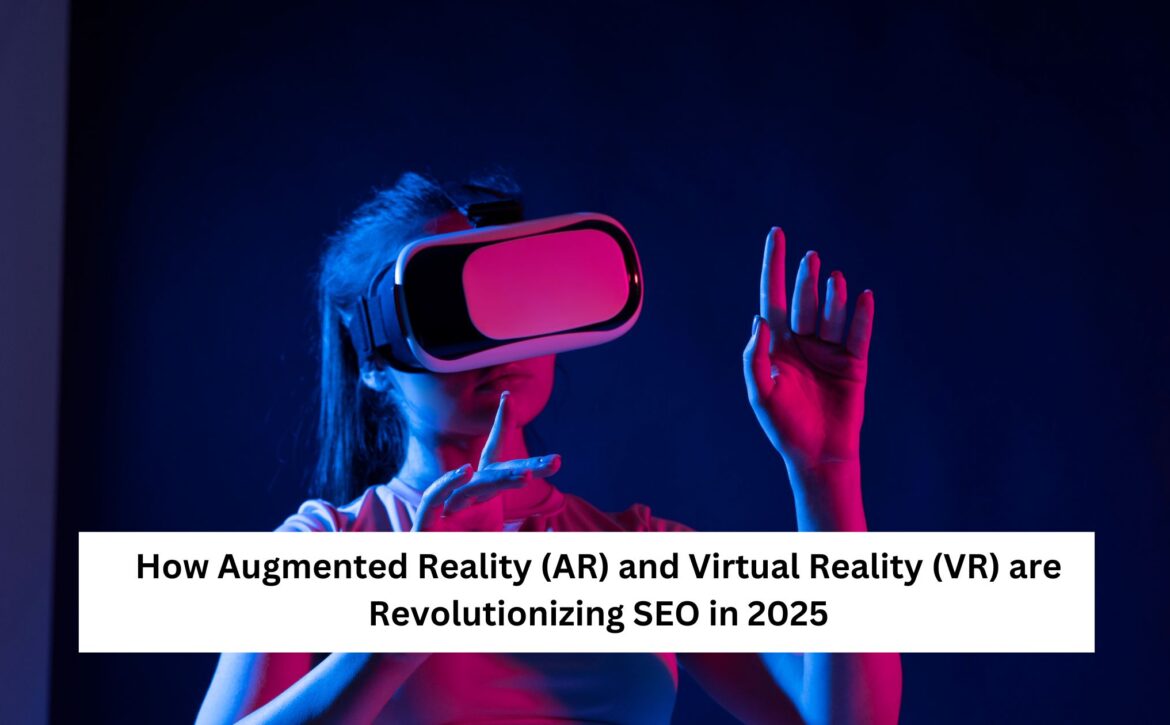
How Augmented Reality (AR) and Virtual Reality (VR) are Revolutionizing SEO in 2025

How Augmented Reality (AR) and Virtual Reality (VR) are Revolutionizing SEO in 2025

In the rapidly evolving world of digital marketing, Augmented Reality (AR) and Virtual Reality (VR) are emerging as groundbreaking technologies with the potential to revolutionize Search Engine Optimization (SEO). As we step into 2025, it’s clear that AR and VR are not just buzzwords but crucial elements that can significantly enhance user experience and improve search engine rankings.

The Rise of AR and VR in Digital Marketing

AR and VR technologies have been around for a while, but their application in digital marketing has seen substantial growth in recent years. AR enhances real-world environments by overlaying digital elements, while VR offers immersive experiences by simulating real or imagined environments. These technologies are now being harnessed to create interactive and engaging content, which is a key factor in modern SEO strategies.

Enhancing User Experience with AR and VR

One of the primary goals of SEO is to enhance user experience, and AR and VR excel in this area. By providing immersive and interactive experiences, these technologies keep users engaged for longer periods. For instance, virtual tours, 3D product views, and interactive ads can captivate users, reducing bounce rates and increasing time spent on a website—both crucial factors for SEO.

AR and VR Content Optimization

Creating AR and VR content is only half the battle; optimizing it for search engines is equally important. Here are some tips for optimizing AR and VR content:

Descriptive Titles and Meta Tags: Ensure that your AR and VR content has descriptive and keyword-rich titles and meta tags.

Schema Markup: Use schema markup to help search engines understand your AR and VR content.

High-Quality Visuals: Ensure that AR and VR content is of high quality and loads quickly to avoid negatively impacting page speed.

Mobile Optimization: Since many AR and VR experiences are accessed via mobile devices, ensure that your content is mobile-friendly.

The Impact of AR and VR on Local SEO

Local SEO can benefit immensely from AR and VR technologies. Businesses can use AR to provide virtual storefronts or VR to offer virtual tours of their premises. This not only attracts local customers but also improves local search rankings. For example, real estate companies can use VR to give potential buyers virtual tours of properties, while restaurants can use AR to showcase their menu items interactively.

Measuring the Effectiveness of AR and VR in SEO

It’s important to measure the effectiveness of your AR and VR content. Use analytics tools to track user engagement, bounce rates, and the amount of time users spend interacting with your content. These metrics can provide valuable insights into how well your AR and VR content is performing and what improvements can be made.

Future Trends in AR and VR SEO

As we look to the future, AR and VR will continue to evolve, bringing new opportunities and challenges for SEO. Integration with artificial intelligence (AI) and machine learning will make these technologies even more powerful, allowing for more personalized and targeted experiences. Staying updated with the latest trends and continuously optimizing your AR and VR content will be crucial for maintaining a competitive edge.

Conclusion

AR and VR are poised to transform SEO by enhancing user experience, increasing engagement, and improving search engine rankings. By understanding and leveraging these technologies, businesses can stay ahead of the curve and ensure their digital marketing strategies are future-proof.

Read More
admin January 25, 2025 0 Comments

Top 10 PPC Trends You Can’t Ignore in 2025

As the digital marketing landscape evolves, staying ahead with the latest Pay-Per-Click (PPC) trends is crucial for businesses aiming to maximize their advertising ROI. In 2025, several key trends are shaping the PPC arena. Here’s an in-depth look at the top 10 PPC trends you can’t afford to ignore this year:

PPC Automation

Automation continues to revolutionize PPC campaigns by streamlining processes and enhancing efficiency. Utilizing machine learning algorithms, automation tools can optimize bids, allocate budgets, and adjust targeting in real-time, ensuring optimal performance without constant manual intervention. Embracing automation allows marketers to focus on strategic planning and creative aspects of their campaigns.
THEEDIGITAL

Smart Bidding Strategies

Smart bidding leverages machine learning to set precise bids for each auction, aiming to achieve specific goals like target CPA (Cost Per Acquisition) or ROAS (Return on Ad Spend). By analyzing vast amounts of data, smart bidding strategies can adjust bids dynamically, improving conversion rates and maximizing ROI. Implementing smart bidding is becoming essential for competitive PPC campaigns.
PIXELCRAYONS

Integration of PPC and SEO

Combining PPC and SEO efforts creates a synergistic effect, enhancing overall search visibility and performance. Integrated strategies allow for shared insights, such as identifying high-performing keywords and aligning content strategies, leading to more cohesive and effective marketing campaigns. This holistic approach ensures that both paid and organic search efforts complement each other, driving better results.
PIXELCRAYONS

Voice Search Optimization

With the increasing use of voice-activated devices, optimizing PPC campaigns for voice search is becoming imperative. Voice searches tend to be more conversational and longer-tailed, requiring adjustments in keyword strategies and ad copy to match user intent effectively. Incorporating natural language and question-based keywords can help capture this growing segment of search traffic.
PIXELCRAYONS

Audience Targeting Enhancements

Advancements in data analytics have enabled more precise audience targeting. Marketers can now create highly segmented audiences based on behaviors, interests, and demographics, allowing for personalized ad experiences. Enhanced audience targeting leads to higher engagement rates and improved conversion metrics, as ads resonate more effectively with the intended users.
THEEDIGITAL

Video Ad Formats Expansion

Video content continues to dominate online engagement, and PPC platforms are expanding their video ad offerings. Short-form videos, such as bumper ads, are gaining popularity due to their ability to convey messages quickly and effectively. Incorporating video ads into PPC strategies can capture attention and drive higher engagement rates.
THEEDIGITAL

First-Party Data Utilization

With increasing privacy regulations and the phasing out of third-party cookies, leveraging first-party data has become crucial. Collecting and utilizing data directly from your audience allows for more accurate targeting and personalized ad experiences. Building robust first-party data strategies ensures compliance and maintains the effectiveness of PPC campaigns.
BRIGHTBID

Cross-Platform Advertising

Consumers interact with multiple platforms daily, making cross-platform advertising essential. Running cohesive PPC campaigns across various channels, such as social media, search engines, and display networks, ensures consistent messaging and maximizes reach. Integrated cross-platform strategies help in capturing audience attention wherever they are online.
THEEDIGITAL

Artificial Intelligence in Ad Creation

Artificial Intelligence (AI) is playing a significant role in ad creation and optimization. AI tools can generate ad copy, design visuals, and predict performance outcomes, streamlining the creative process. Utilizing AI in ad creation not only saves time but also enhances the effectiveness of ads by tailoring them to audience preferences.
SEARCH ENGINE LAND

Enhanced Measurement and Attribution

Accurate measurement and attribution models are essential for understanding the impact of PPC campaigns. Advanced analytics tools provide deeper insights into user journeys, allowing marketers to attribute conversions accurately across various touchpoints. Implementing enhanced measurement techniques ensures better optimization and allocation of marketing budgets.
THEEDIGITAL

Conclusion

Staying abreast of these PPC trends in 2025 is vital for marketers aiming to maintain a competitive edge. By embracing automation, integrating PPC with SEO, optimizing for voice search, and leveraging AI, businesses can enhance their advertising strategies and achieve superior results. Continuous adaptation to these evolving trends will ensure that PPC campaigns remain effective and deliver a high return on investment.

Read More
admin January 23, 2025 0 Comments